

Improvised Endings in a (Musical) Ethics Lab

Joshua Bergamin, Mersolis Schöne, Christopher A. Williams

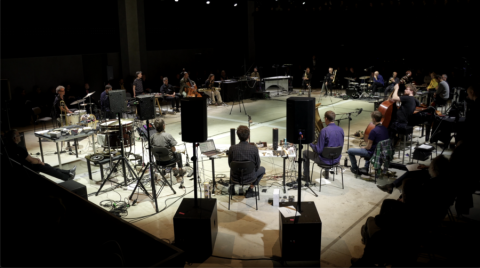
The way a piece of music ends plays a key role in its interpretation, contributing to the meaning of the work as a whole. But without a score or pre-agreed structure to guide them, how do experimental improvisors create — or find — the ‘right’ place to end? And what can this tell us about collective processes of sense-making?

[...]
keywords:

Improvising Time: An investigation into the link between time and intersubjectivity in the performance of solo dance improvisation

Nareeporn Vachananda

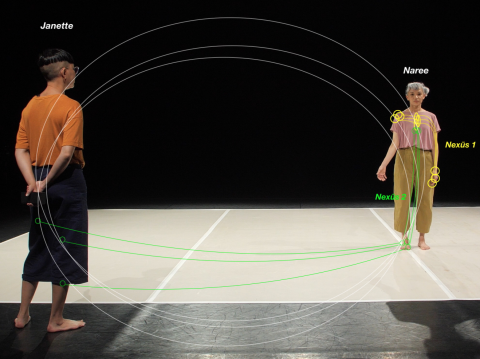
Improvising Time is a practice-led research project investigating embodied temporality in the performance of solo dance improvisation. It explores two temporal concepts in Japanese Noh theatre — the sequencing concept of jo-ha-kyū 序破急 and the notion of ma 間, defined as interval — investigating how jo-ha-kyū and ma can be embodied for the temporal organization of solo dance performance when improvised before an audience.

[...]
keywords:

Structures for Freedom: In-performance Communication in Traditional Musicians in Scotland

Lori Watson

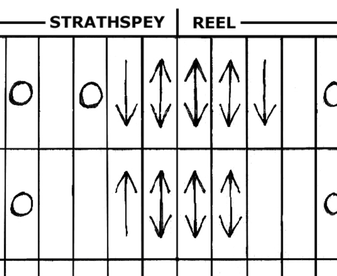
This exposition articulates tacit knowledge in processes associated with contemporary Traditional music practice in Scotland. Using a case study experiment and a series of workshop performances recorded in 2008, I examine the processes, communication and performance strengths of four leading Traditional and cross-genre creative musicians. In particular, examples of in-performance communication and collaboration emerge.

[...]
keywords: